

clear float glass suppliers
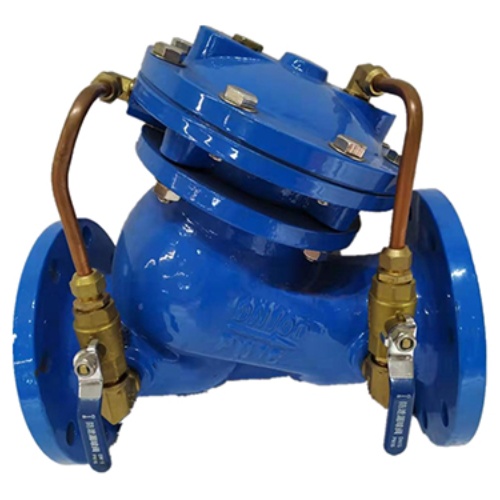
How to Turn Off the Main Water Valve A Step-by-Step Guide Understanding how to turn off your main water valve is an essential skill for every homeowner. Whether you're experiencing a plumbing leak, preparing for a renovation, or dealing with a burst pipe, knowing how to quickly shut off your water supply can save you from extensive damage and costly repairs. This article will guide you through the process of locating and turning off the main water valve in your home. What is the Main Water Valve? The main water valve controls the flow of water into your home from the municipal water supply or well. It serves as a vital safety feature, allowing you to stop the water flow in emergencies. It’s typically located near where the water line enters your home, often close to the foundation or in the basement. Steps to Turn Off the Main Water Valve 1. Locate the Main Water Valve The first step is to find the valve. Common locations include - Basement Often found near the water heater or where the water line enters the house. - Crawl Space Sometimes accessible in homes with crawl spaces. - Outside In warmer climates, the valve may be located outside, typically near an exterior wall or next to the foundation. - Garage Check in the garage if you can't find it elsewhere. 2. Identify the Type of Valve There are generally two types of valves to be aware of - Gate Valve This valve has a round wheel that you turn to open or close it. Turning it clockwise will close the valve, while counterclockwise opens it. - Ball Valve This type has a lever handle that you turn a quarter turn to switch between open and closed. When the handle is parallel to the pipe, it’s open; perpendicular indicates that it’s closed. 3. Prepare for the Switch Once you've located the valve, prepare for operation - Clear the area around the valve to allow easy access. - Have towels or buckets ready to catch any water that may leak out when the valve is shut off. how to turn off main water valve 4. Turning Off the Valve - For Gate Valves Turn the wheel clockwise until it stops. It might require some effort if it hasn’t been turned in a while, so apply steady pressure. - For Ball Valves Simply turn the lever perpendicular to the pipe to close it. 5. Check for Water Flow After you’ve turned off the valve, check your taps and fixtures to ensure that the water supply has stopped. Turn on a faucet (preferably the highest one in your home) to see if there is any remaining water pressure. It’s normal for a little water to come out, but there should be no sustained flow. 6. Address the Issue at Hand With the main water supply turned off, you can safely work on fixing leaks, replacing pipes, or conducting repairs without the risk of flooding your home. 7. Turning the Valve Back On Once you’ve completed your work, turning the valve back on is just as easy - For Gate Valves Turn the wheel counterclockwise until fully open. - For Ball Valves Turn the lever back parallel to the pipe. 8. Check for Leaks After restoring the water supply, inspect your plumbing for any leaks, especially at the sites of repairs. If you notice any leaks, turn the valve off again and address the plumbing issue before proceeding. Conclusion Knowing how to turn off your main water valve is a crucial part of home maintenance. It empowers you to handle plumbing emergencies efficiently, potentially saving you from extensive damage and repair costs. Make sure that all members of your household are aware of its location and how to operate it. Regularly check the functionality of your valve to ensure that it remains operational when you need it the most. With this skill in your toolkit, you can take control of unexpected plumbing problems with confidence.
about
clear float glass suppliers
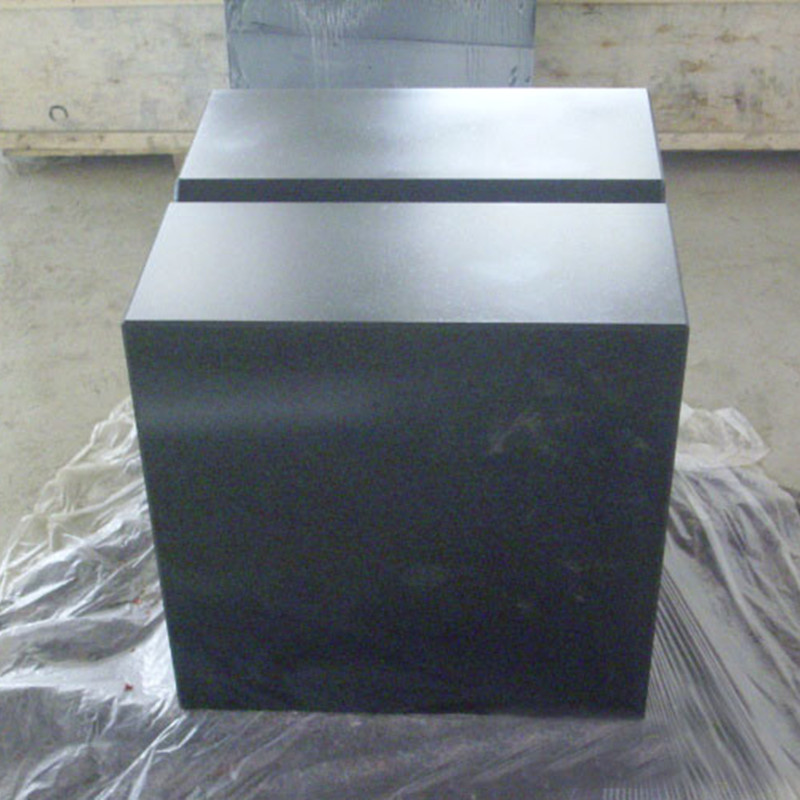
Understanding Steel Fabrication Tables An Essential Tool for Structural Engineers Steel fabrication tables are pivotal in the construction and engineering industries, aiding in the precise planning and execution of various structural projects. These tables serve as a reference for engineers, designers, and fabricators to ensure that steel components are manufactured and assembled accurately. Whether it's a high-rise building, a bridge, or industrial machinery, a well-constructed steel fabrication table provides the necessary guidelines to streamline the entire process. Understanding Steel Fabrication Tables An Essential Tool for Structural Engineers One of the most significant advantages of using steel fabrication tables is the standardization they provide. In an industry where precision is vital, these tables help in maintaining consistency across various projects. For example, they offer standardized measurements for common steel shapes like beams, columns, and plates. This standardization translates into quicker calculations and design processes, ultimately saving time and reducing costs. Additionally, having uniformly recognized data promotes better communication among team members and stakeholders, minimizing the likelihood of errors during construction. steel fab table In contemporary engineering practices, steel fabrication tables have evolved with advancements in technology. Software tools and digital databases have made it easier for professionals to access and manipulate data. Engineers can now input specific project parameters into design software that automatically references steel fabrication tables, ensuring accuracy in material selection and design calculations. These digital tools not only enhance efficiency but also allow for more complex modeling and simulation, helping to predict how structures will behave under various conditions. Moreover, steel fabrication tables are invaluable when it comes to budgeting and material procurement. By providing detailed information about the weight and cost of various materials, these tables enable project managers to estimate expenses effectively. With accurate cost estimates, organizations can allocate resources more efficiently and avoid potential budget overruns. However, it is essential for professionals to understand that while steel fabrication tables are comprehensive, they do not replace the need for professional expertise. Each project may have unique requirements that necessitate a customized approach. Therefore, engineers and designers must use these tables as a foundational resource while applying their judgment and experience to address specific challenges that may arise. In conclusion, steel fabrication tables serve as a crucial resource in the steel design and construction industry. They provide essential information that aids in standardization, enhances accuracy, and facilitates communication among professionals. With the integration of digital tools, these tables have become even more accessible and versatile, preparing engineers to face the complexities of modern construction. As the demand for innovative and durable structures continues to grow, steel fabrication tables will remain an integral part of the engineering toolkit, ensuring that projects are completed on time, within budget, and to the highest safety standards.
-

High quality industrial productsagement

High quality industrial products
View Details -

Meet the diverse needs of customers

Meet the diverse needs of customers
View Details -

Strict quality control

Strict quality control
View Details -

Top raw materials

Top raw materials
View Details -

Trusted supplier

Trusted supplier
View Details
Our application

news and information

Versatile 4x4 Welding Table for Efficient Metal Fabrication and Assembly
The Versatility and Utility of a 4x4 Welding Table In the world of metalworking and fabrication, hav
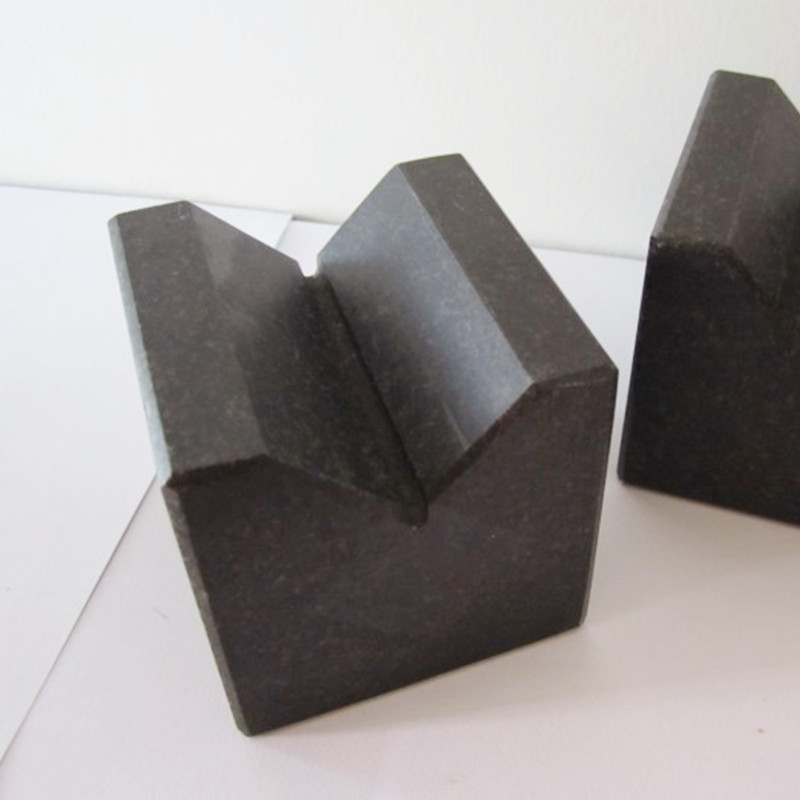
Versatile Clamps for Effective Fabrication Table Applications and Projects
Fabrication Table Clamps Essential Tools for Precision in Manufacturing In the realm of manufacturin

water shutoff valve
Understanding Water Shutoff Valves An Essential Home Component Water shutoff valves are crucial comp
 English